For years, Udemy has been the default choice for anyone launching an online course. It offered reach, structure, and the promise of instant credibility. But creators who rely on it eventually hit the same wall. They gain students, but lose control. They publish courses, but give up ownership. They grow an audience, but never actually own it.
Independent creators are beginning to recognize that a marketplace built for mass distribution isn’t always built for long-term sustainability. Pricing rules, discount structures, revenue share, ever-changing content policies, and algorithm dependence make it challenging to build a course business that you truly control. As online education becomes more competitive and commoditized, creators increasingly want something Udemy can’t offer: complete ownership of their videos, data, and brand.
This shift has sparked a new movement. Instead of relying on marketplace visibility, creators are choosing platforms that let them host their own videos, set their own pricing, build their own communities, and design the learning experience on their terms. They’re not abandoning the idea of online courses; they’re simply reclaiming control of their work.
This guide walks through what creators actually lose by staying on Udemy, what an ideal alternative should look like, and which platforms give you the freedom to build a course business without restrictions. It’s written to help you choose a long-term home for your content, one where you keep your audience, your revenue, and your creative direction.
What You Lose When You Rely on Udemy
Udemy gives creators visibility, but that visibility comes with trade-offs that limit growth once you try to scale beyond a single course. These constraints don’t always show up on day one, but they become clearer the moment you attempt to build a real business around your content.
Limited control over pricing and discounts
Udemy can change your course price, apply deep discounts, or include your content in wide-ranging promotions. While these campaigns often bring large volumes of students, the revenue per sale is usually low. Creators who want to price their courses based on value, niche expertise, or target audience often find themselves restricted by platform-wide pricing rules.
No ownership of student data
One of the most significant barriers to growth is the lack of direct access to learner data. Udemy owns the customer relationship, not the creator. You can’t build segmented email lists, nurture students outside the platform, or drive repeat purchases without relying on Udemy’s internal system. This makes it challenging to create follow-up courses, membership models, or long-term communities.
Strict content guidelines and sudden policy changes
Marketplaces operate on uniform policies. As a result, creators must adjust to changes in guidelines at any time, whether it’s about course structure, topics, compliance, or what is allowed in promotional materials. You operate within a framework that you don’t control, which can impact your creative direction.
Revenue share that reduces your margins
A large portion of your course sales goes to the platform. Even when you bring your own audience through instructor coupons, some fees and dependencies eat into revenue. This makes it challenging to scale a course business, especially if you produce niche or high-value content that should command premium pricing.
No ability to build a brand ecosystem
Udemy owns the environment, the interface, the player, and the student experience. You can’t customize the learning journey, build branded course portals, or create ecosystem features such as member-only communities, private coaching spaces, or hybrid offerings. Your identity is tied to Udemy’s design.
Crowded marketplace placement
Competitors always surround your course. Even when you rank well, students see similar courses, lower-priced alternatives, or promotional bundles. Visibility becomes dependent on Udemy’s internal algorithm rather than your brand strength.
Dependence on Udemy’s algorithm
Like any marketplace, Udemy promotes courses that align with its promotional strategy. That means success can fluctuate based on categories, search trends, seasonality, and marketing priorities. When algorithms change, creators often see sudden drops in sales without clear explanations.
These challenges are not flaws in Udemy’s model; they’re natural consequences of a marketplace built to maximize catalog breadth and price-driven volume. But for independent creators who want full ownership and long-term scalability, these constraints often become deal-breakers.
What an Ideal Udemy Alternative Should Offer
When creators outgrow Udemy, they aren’t just looking for a different place to upload videos. They’re looking for independence. The right alternative should mirror what made Udemy convenient while removing the limitations that prevent creators from scaling on their own terms. Below are the core capabilities that matter most when choosing a platform built for long-term control, ownership, and growth.
Full ownership of videos and content
You should be able to host your course wherever you choose without any platform claiming rights, restricting distribution, or locking your content behind proprietary systems. Your videos, your lessons, and your curriculum should remain entirely under your control, with the freedom to move them at any time.
Freedom to set pricing and monetization models
Creators should decide how to price their course, whether as a one-time fee, a subscription, a cohort model, a membership, or a bundled offering. A strong Udemy alternative should place zero restrictions on how much you charge or how often you change your pricing strategy.
Flexible hosting with strong performance and global delivery
Students expect fast, smooth playback no matter where they are located. An ideal solution should provide:
- adaptive streaming
- global content delivery
- quick loading times
- reliable performance during launch peaks
Good infrastructure ensures your videos deliver a professional learning experience without buffering or glitches.
Security and piracy protection
Creators need confidence that their content stays protected. Important capabilities include:
- domain-level restrictions
- IP restrictions
- tokenized playback
- dynamic watermarking
These features prevent unauthorized sharing and protect the revenue you earn from your work.
Branded video players and white-label options
Your course platform should feel like yours. This means being able to control the video player’s appearance, add your logo, and match the design to your brand identity. White-labeling gives you complete creative freedom and removes any branding from external platforms.
Analytics that give real insights into learner behavior
The right platform should provide deeper analytics than basic views. Useful metrics include:
- watch time
- drop-off points
- engagement hotspots
- device-level performance
This helps creators refine lessons, improve retention, and understand how learners consume content.
Ability to integrate with LMS platforms and websites
Your content should fit into your existing workflow. Whether you run courses on WordPress, Webflow, NoCode platforms, custom apps, or complete LMS systems, the hosting solution should integrate easily. This gives you the freedom to design your own learning experience.
High reliability during peak traffic
Course launches or seasonal learning spikes often bring large surges in viewership. A reliable alternative must handle traffic without slowing video delivery or causing playback failures.
When a platform meets these criteria, it becomes more than an alternative to Udemy. It becomes the foundation of a scalable, creator-owned business that can grow without restrictions or algorithmic dependencies.
The Best Udemy Alternative for Independent Creators
There is no shortage of platforms that promise more control than Udemy. But creators don’t need another marketplace or another ecosystem that locks their content behind internal rules. What they need is a combination of ownership, video performance, flexibility, and the freedom to build their own brand without restrictions. Below are the platforms that align most closely with this model, starting with the one that gives creators the highest level of autonomy.
1. Gumlet: Private Video Hosting for Creators Who Want Total Control
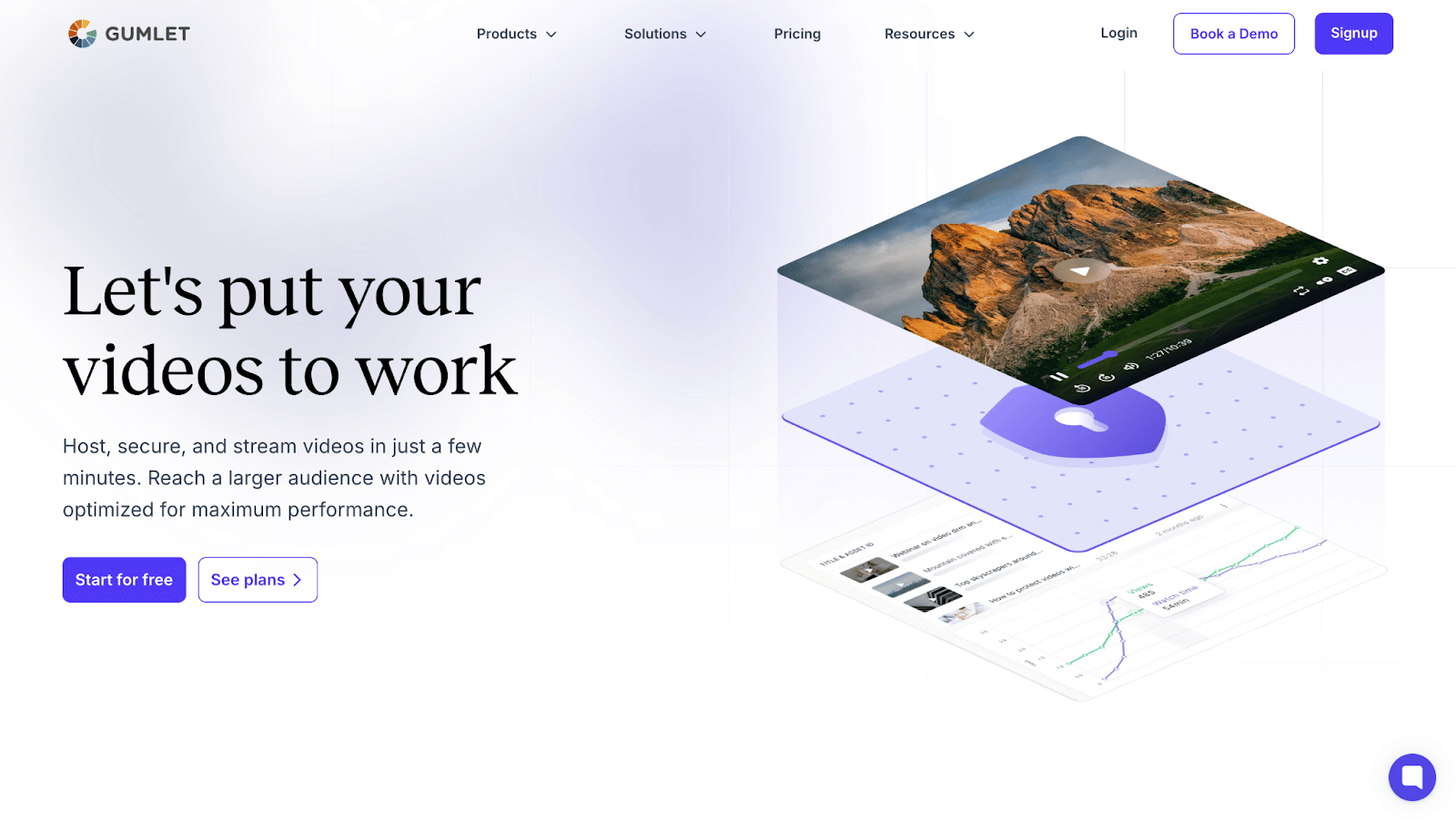
Most Udemy alternatives focus on course builders. Gumlet focuses on the foundation that creators actually need: a reliable, private, high-performance video hosting layer that sits beneath any course platform or website. Instead of packaging everything into a marketplace ecosystem, Gumlet gives creators complete freedom to host, protect, analyze, and deliver their videos wherever they want.
Full ownership of your content and distribution
Creators upload their videos once and can embed them anywhere. Because there’s no marketplace structure, no catalog ranking, and no platform-driven visibility rules, you never lose ownership or autonomy over your content.
Adaptive streaming and global delivery
Gumlet’s infrastructure is built for smooth playback, even for students watching from different countries or on lower bandwidths. Videos automatically adjust quality based on the viewer’s connection, ensuring a consistent learning experience.
Security designed for course creators
With features such as domain-level restrictions, tokenized URLs, dynamic watermarking, password-protected playback, and optional DRM for premium content, creators can confidently protect their videos from piracy and unauthorized sharing. This level of control is difficult to achieve on marketplace platforms.
A branded video player that aligns with your identity
Unlike Udemy’s fixed interface, Gumlet’s player can be customized to match your website or course portal. As your business grows, your brand becomes the focal point of the learning experience.
Monetization stays in your hands.
Whether you use WordPress, Teachable, Thinkific, Webflow, or a completely custom site, you decide your pricing model. Gumlet integrates smoothly with LMS tools and payment gateways, allowing creators to build unique course funnels without platform-imposed commissions.
Advanced analytics that improve learning outcomes
Creators can see how students interact with lessons, where they drop off, and which parts need refinement. This level of insight helps with both content improvement and business decisions.
Why creators choose Gumlet over Udemy
It comes down to independence. Gumlet gives creators the freedom to:
- Own their audience
- Control their pricing
- host content anywhere
- Protect their intellectual property
- scale without algorithmic influence
This combination naturally fits what most instructors expect once they outgrow marketplace limitations.
2. Teachable: Build a Complete Online Course Platform
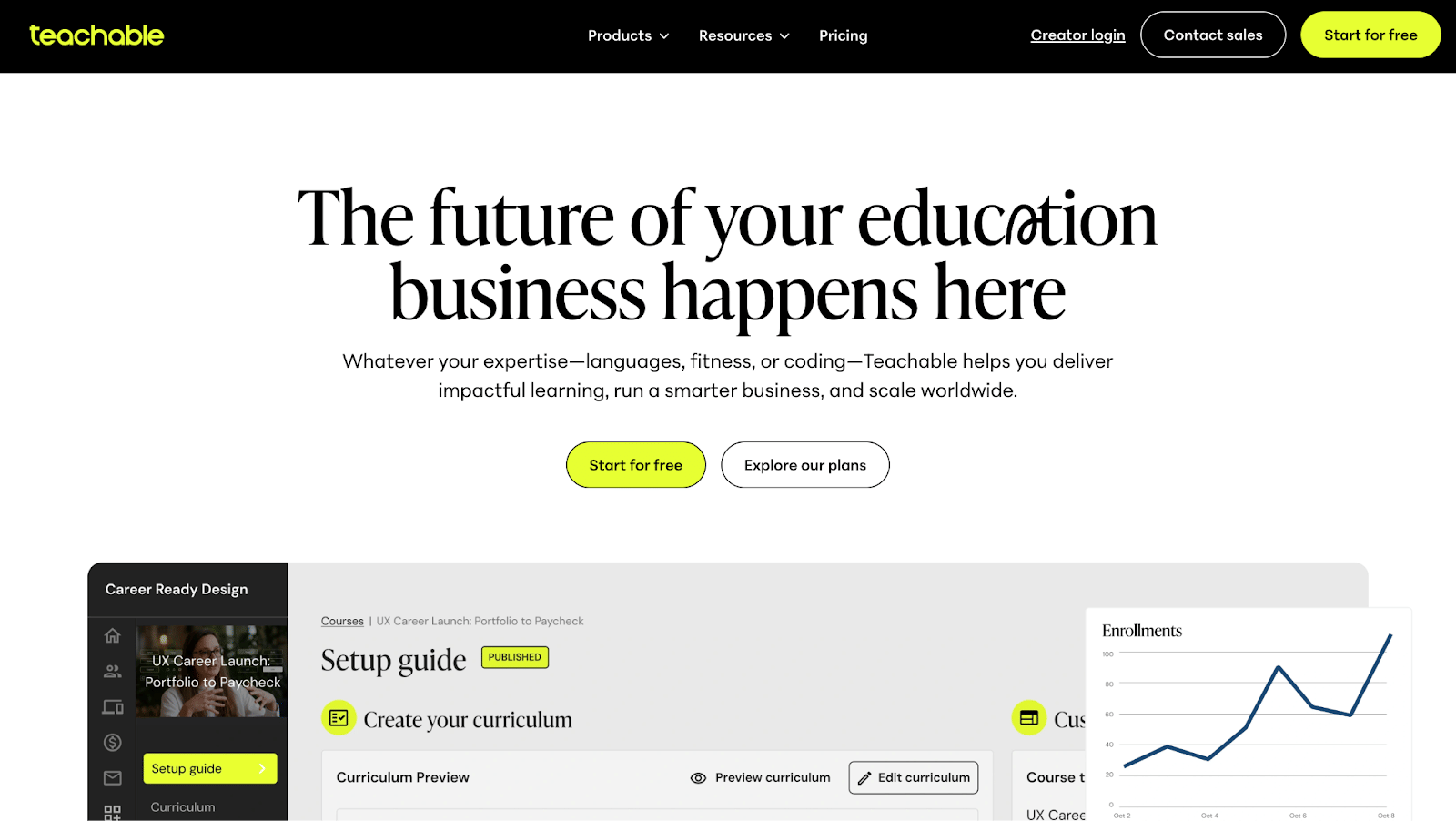
Teachable provides a straightforward, all-in-one platform for creating and selling courses. Creators can build landing pages, upload videos, and manage payments within a single system. While it is beginner-friendly, performance relies heavily on its built-in hosting, and lower-tier plans charge transaction fees. Branding is possible, but the platform still imposes some structure that instructors must adapt to.
3. Thinkific: Strong Course Builder with Structured Tools
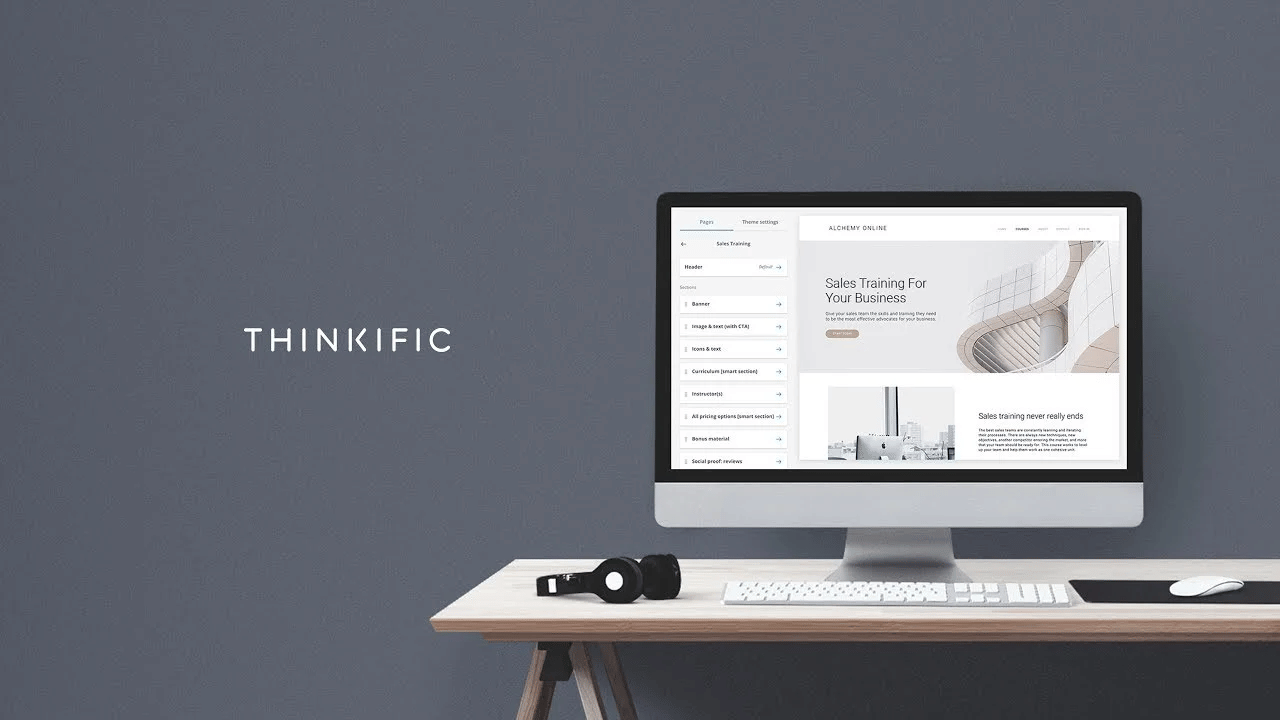
Thinkific offers good course-building tools, a clean interface, and options for memberships and community add-ons. It is flexible, but creators still operate inside Thinkific’s ecosystem. Video hosting performance varies, and creators with large libraries often prefer adding an external hosting layer to improve quality and control.
4. Podia: Simple and Creator Focused, but Basic for Video-Heavy Courses
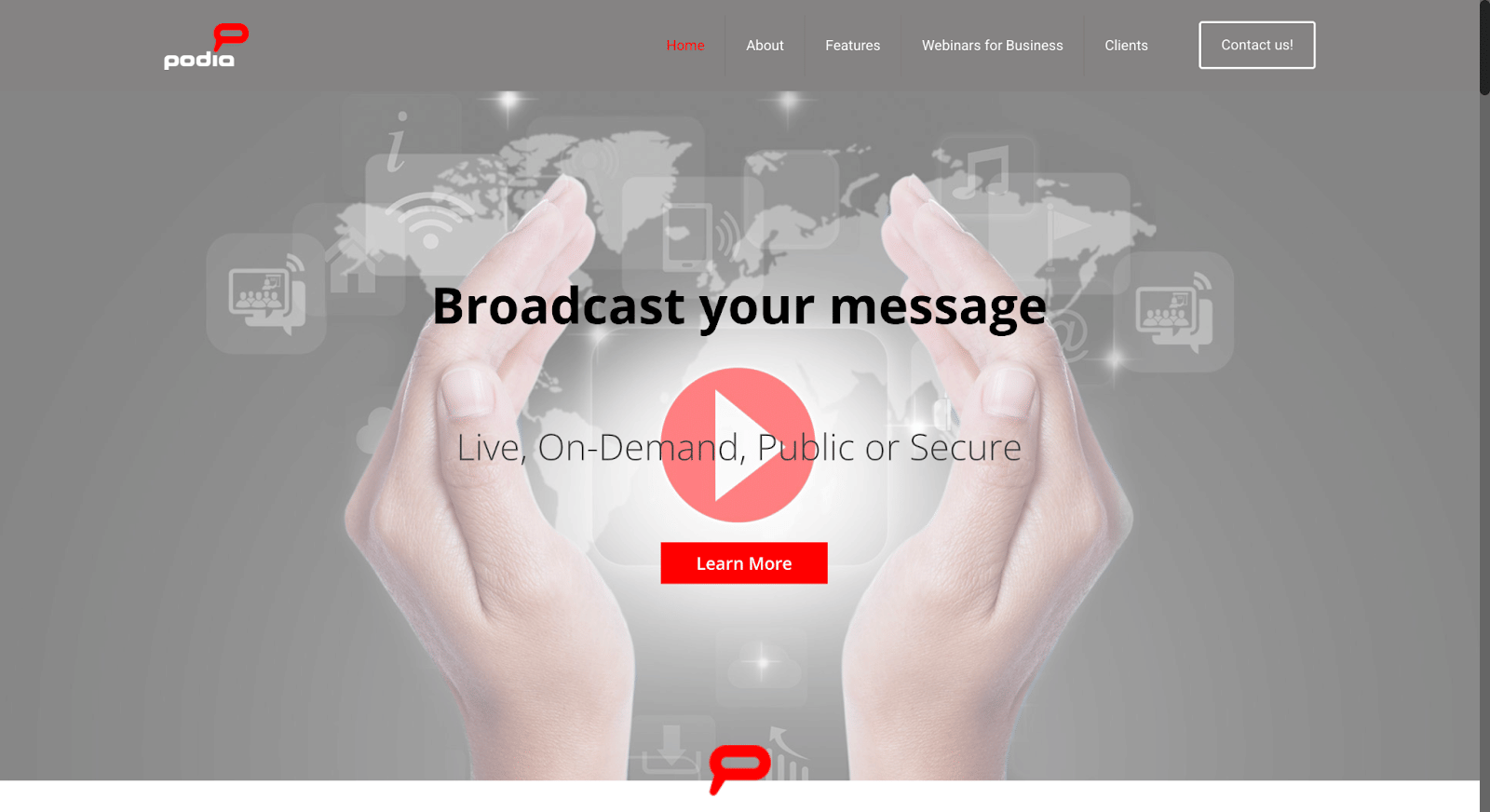
Podia is easy to set up and works well for creators who want a single dashboard for courses, digital downloads, and memberships. It shines for simplicity, but lacks advanced analytics, player customization, and deeper video performance tools. For creators who have long, structured courses, these limitations become noticeable.
5. Self-Hosted LMS Platforms (WordPress, LearnDash, or Custom)
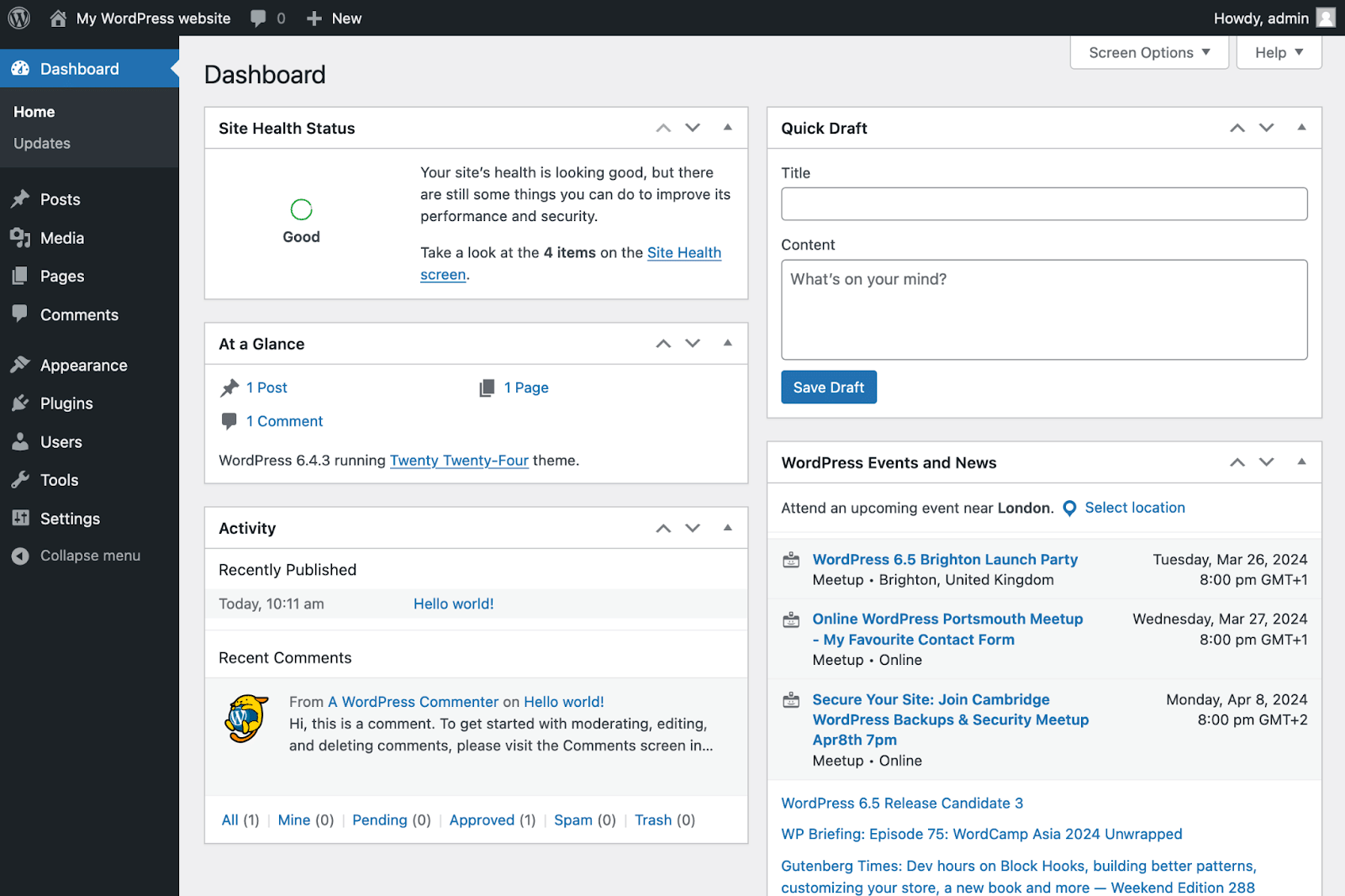
Self-hosted LMS options offer creators the most customization. You own the website, the structure, the branding, and the student experience. The trade-off is that you’re responsible for maintenance, security, and performance. Nearly all creators using a self-hosted LMS eventually rely on a dedicated video hosting service to ensure smooth playback and stronger protection for their content.
These five options reflect the full spectrum of control available to creators. Marketplaces provide convenience but limit autonomy. All-in-one platforms offer structure but reduce flexibility. Self-hosted systems offer independence but require technical setup. Private video hosting sits at the center of this evolution, giving creators complete freedom while supporting any platform they choose.
How Private Video Hosting Fits into a Modern Creator Stack
A growing number of creators are moving away from platform-first systems and building their own learning ecosystems. Instead of relying on Udemy for visibility or all-in-one course platforms for structure, they piece together a flexible stack where each component is chosen intentionally. At the center of this shift is private video hosting, a layer that gives creators control without compromising on performance.
Private hosting separates your content from the limitations of any single platform. You can build your course on WordPress, Thinkific, or a custom portal and still deliver videos with smooth streaming, advanced analytics, and strong security. It also ensures that no matter how your business evolves, your content remains portable. You can rebrand, migrate platforms, change your monetization strategy, or launch new learning formats without reuploading or restructuring your entire library.
This approach also improves the learning experience. Students watch faster, smoother videos because they’re delivered through a dedicated CDN that’s built for performance. You get deeper insights into viewer behavior because analytics are tied directly to your content, not mixed into a marketplace’s large dataset. And since private hosting gives you complete control, you can tailor every part of the learner journey, from the video player to the pacing of lessons.
Creators who adopt this model rarely go back to marketplace platforms. Once you’ve experienced full control over your content, branding, pricing, and data, the idea of fitting your business into someone else’s ecosystem feels limiting. Private hosting becomes the foundation for a scalable, sustainable course business that can grow without depending on algorithms or promotional cycles.
Why Gumlet Aligns Closest with the Independent Creator Model
Most creators leaving Udemy are not looking for another catalog or another all-in-one platform that restricts them in different ways. They want a foundation they can build on without worrying that a policy change, pricing shift, or hosting limitation will disrupt their business. This is where Gumlet naturally fits, because it functions as an independent layer that gives creators control without forcing them into a fixed ecosystem.
No marketplace rules or platform commissions
Unlike Udemy, private hosting through Gumlet means every decision about pricing, format, and delivery stays with you. There are no automatic discounts, no third-party limited-time deals, and no revenue-sharing that reduces margins. You earn directly from your audience and decide the value of your content.
No algorithm dependency
On marketplace platforms, visibility is tied to search rankings, ratings, and promotional campaigns that you cannot influence. With private hosting, discovery shifts to your brand, your funnels, and your community. Creators who take ownership of their distribution find that their growth becomes more predictable and sustainable.
Freedom to build your own brand presence
With Gumlet, you are not confined to predetermined layouts or player interfaces. Your course pages, your video player, and your learning environment can all reflect your brand identity. This helps creators build recognition across platforms, ads, newsletters, and communities, instead of blending into a generic marketplace template.
Infrastructure built to support absolute scale
One of the limitations creators encounter on traditional course platforms is performance during high-traffic periods. Launches, promotions, and seasonal spikes often slow down video delivery. Gumlet’s infrastructure is designed to handle large volumes of playback without interruptions, making it a reliable choice for creators who plan to scale.
Security that protects your intellectual property
Creators put significant time into producing lessons, slide decks, case studies, and long-form content. Gumlet’s security features, including watermarking, domain restrictions, and tokenized URLs, help ensure that your videos remain accessible only to your intended learners. This level of control is essential when your primary product is course content.
Flexible integration with any course platform
Whether your course is on WordPress, Webflow, Teachable, Thinkific, or a custom-built LMS, Gumlet slots into your existing stack; you can rearrange your systems over time without ever losing your video library or restructuring your content. This flexibility is the opposite of a locked-in ecosystem.
A creator-first model from the ground up
Gumlet’s approach aligns with how modern creators operate. You manage your audience, community, pricing, and content. Gumlet manages secure, high-quality video delivery behind the scenes. This separation gives creators both independence and stability, which is difficult to find on traditional course marketplaces.
When creators look for an Udemy alternative, they’re not simply searching for a new platform. They’re searching for a model that supports long-term ownership, growth, and autonomy. Gumlet fits naturally into that model because it reinforces what creators value most: complete control over their work.
How to Migrate from Udemy to Your Own Platform
Moving away from Udemy can feel overwhelming at first, especially if your course has been on the platform for years. But the transition is far simpler than most creators assume. The key is to break the process into stages that preserve your content while giving you more control at every step. Below is a clear, practical path that creators follow when shifting from Udemy to their own independent platform.
Step 1: Repackage your existing course
Your material is already created. You don’t need to rebuild the curriculum. Instead, reorganize it into modules and lessons that fit your preferred structure. You can update outdated sections, add new examples, or refine parts where you previously felt limited by Udemy’s formatting rules.
Step 2: Host your videos privately with complete security
This is the foundation of the migration. Upload your videos to a private hosting platform where you control access, branding, playback quality, and security. Features such as domain restrictions, watermarking, and tokenized playback ensure your content remains accessible only within your chosen ecosystem. This step gives you complete ownership of your core asset: your videos.
Step 3: Build your website or course portal
Creators typically choose one of these pathways:
- A WordPress or Webflow site with a course plugin
- A full LMS like Thinkific or Teachable
- A custom-coded portal if they want maximum flexibility
The goal is to create a home for your course that reflects your brand without being tied to a marketplace’s interface.
Step 4: Set up payments and pricing freedom
Once your content has a home, you decide how students pay:
- one-time purchase
- subscription
- cohort-based pricing
- bundles
- lifetime access
- membership models
Your value determines the price, not an algorithm.
Step 5: Add community and engagement tools
Without marketplace limitations, you can build a richer learning experience:
- private communities
- live cohorts
- drip lessons
- office hours
- assignments
- feedback loops
This deeper engagement often leads to better retention and stronger word of mouth than course marketplaces provide.
Step 6: Relaunch your course with your own brand
When everything is ready, launch your course:
- Update your email list
- Publish content across social platforms
- Run targeted promotions
- Build a funnel around your brand
Your students learn directly from you, and you own the entire journey from discovery to purchase to completion.
Creators who complete this migration rarely return to Udemy. Once you experience the freedom to control your pricing, own your audience, protect your content, and shape your brand, independence becomes the new standard.
Common Misconceptions About Leaving Udemy
Many creators hesitate to move away from Udemy because of fears stemming from long-term work in a marketplace. These concerns are understandable, but most of them don’t hold up once you examine how creator-owned platforms actually work. Below are the misconceptions that stop people from making the transition, along with the realities of running an independent course business.
“I won’t get traffic without Udemy’s marketplace.”
Udemy indeed attracts a steady flow of students, but most come during discount-driven promotions rather than through organic discovery. These buyers often enroll because a course is cheap, not because they’re deeply committed. When creators shift to their own platforms, they consistently see higher intent learners who engage more and complete more lessons. Traffic still comes through content, community, and marketing, but you own the relationship instead of renting it.
“I need Udemy’s credibility to sell courses.”
Marketplaces once played a significant role in validating instructors, but the learning landscape has changed. Students today trust:
- polished websites
- strong portfolios
- social proof
- community-driven recommendations
When your course lives on your own branded platform, your credibility increases because the learning experience feels intentional and curated, not buried among hundreds of similar listings.
“Hosting my own course will be too expensive.”
Independent hosting used to be costly and complex, but that is no longer the case. Modern hosting solutions enable high-quality courses to be run at a fraction of the cost while offering greater control, security, and scalability. Most creators spend less when they stop paying marketplace commissions or platform transaction fees.
“My learners will miss Udemy’s built-in features.”
Most of Udemy’s conveniences can now be replicated through a combination of flexible tools:
- Private video hosting
- community platforms
- cohort tools
- LMS plugins
- no-code course builders
The benefit is that you can choose only what you actually need, rather than being limited to a fixed feature set.
“Building a course platform sounds technical.”
Creators today don’t need development skills to run a full-course business. WordPress, Webflow, Thinkific, Podia, and dozens of LMS builders make setup straightforward. Private hosting layers plug into these systems easily, allowing creators to manage content without touching code.
These misconceptions often disappear once creators realize that independence gives them more resilience and more opportunities to scale. Leaving Udemy isn’t about abandoning structure. It’s about building a system that works for your content and not the other way around.
Final Thoughts: The Future Belongs to Creators Who Own Their Platform
The shift away from Udemy reflects something bigger than frustration with pricing rules or revenue share. It reflects a broader movement toward independence. Creators want the freedom to shape their businesses without marketplace restrictions, build communities around their expertise, and deliver learning experiences that feel personal rather than generic.
Owning your platform means owning every part of the journey. You decide how your videos are presented, how learners progress, how your brand shows up, and how your content evolves. You set the value of your work, control your revenue, and protect your intellectual property. For creators who want to build something long-lasting, this level of ownership is no longer optional. It is essential.
Private video hosting plays a central role in this model. It gives you the reliability, security, and performance you need to deliver smooth learning experiences while staying independent from marketplaces. And because it connects with any LMS, website, or custom portal, you retain complete control no matter how your business grows.
As more creators recognize the limits of marketplace platforms, the future will belong to those who build their own ecosystems. The tools exist. The infrastructure exists. And the most resilient course businesses are already using them. This is the path that gives creators the freedom to scale, adapt, and innovate on their own terms.
FAQs
1. What is the best Udemy alternative for independent creators?
The best alternative is one that gives you complete control over your content, pricing, branding, and student data. For most creators, this means combining a private video hosting platform with a flexible LMS or website builder. Unlike marketplaces, this setup lets you own the entire learning experience and grow without external constraints.
2. Why do creators move away from Udemy?
Creators often leave due to limited pricing flexibility, strict policies, revenue-share cuts, a lack of student data, and reliance on Udemy’s internal algorithm for visibility. Independent platforms give creators greater autonomy, better margins, and a more substantial brand presence.
3. Do I need technical skills to host my own course?
No. Modern platforms make it easy to set up your own course without coding. WordPress, Webflow, Teachable, Thinkific, and other tools integrate smoothly with private video hosting, making the process manageable for creators of all levels.
4. How do I protect my videos when hosting independently?
Use a hosting solution that offers domain restrictions, tokenized URLs, watermarking, and access control. These features prevent unauthorized sharing and better protect your intellectual property than marketplace platforms.
5. Will I lose students by leaving Udemy?
Not necessarily. Marketplace traffic is often price-driven and low-intent. When you build your own platform, you attract students who value your expertise, engage more deeply, and are more likely to complete your course. In the long run, owning your audience leads to stronger retention and more predictable revenue.
6. Can I migrate my Udemy course without starting from scratch?
Yes. You can repurpose your existing lessons, re-record selected segments if needed, and reorganize modules to suit your new structure. Most creators already have the core content; they need to move it into a platform they control.
tl;dr
- Udemy gives reach but limits control, pricing, branding, and ownership of student data.
- Independent creators are shifting to platforms where they own their videos, audience, and revenue.
- The right Udemy alternative should offer strong video performance, security, analytics, branding freedom, and flexible monetization.
- Gumlet fits naturally into a creator-owned model because it provides private, secure, high-performance video hosting that integrates with any LMS or website.
- Building your own platform lets you control content, protect your IP, shape the student experience, and scale a long-term creator business.
- Migrating from Udemy is straightforward: repackage content, host videos privately, build your course portal, set pricing, add engagement tools, and relaunch.
- Marketplace fears are often misconceptions; independent platforms offer more stability and stronger learner intent.