Learn - Gumlet
Thoughts, stories and ideas about video transcoding and streaming.

DRM for Offline Video: Persistent Licenses on iOS & Android
18 min read
Offline DRM is not a single expiration date bolted onto a downloaded file. It's a second playback path with its own license type, its own storage rules, and, on both major mobile platforms, two independently configurable timers that most implementations collapse into one.


Why Video Downloader Extensions Fail on Protected HLS
18 min read
This article works through what the documented evidence, extension changelogs, GitHub issue trackers, and public failure reports actually show about six categories of tools against four levels of stream protection


White-Label Video Platforms: Complete Guide + 8 Best Options Compared
18 min read
Compare 8 white-label video platforms by branding depth, custom domains, API support, resale rights, export options, DRM, and pricing to find the right fit.


HDCP and Output Protection for Video: Why Premium Content Still Leaks on Windows
19 min read
Learn why DRM alone can still leave premium video exposed on Windows, how HDCP protects the output path, and what to test across monitors, docks, cables, and capture devices.


CENC Explained: How One Encrypted File Serves Widevine, PlayReady, and FairPlay
18 min read
Learn how Common Encryption (CENC) lets one encrypted video file work across Widevine, PlayReady, and FairPlay and why choosing cbcs is critical for Apple playback.


Adding Multi-DRM to Your Own Player: Widevine, FairPlay, and PlayReady via API (2026 Guide)
19 min read
Learn how to add Widevine, FairPlay, and PlayReady to your existing player using DRM license URLs, short-lived tokens, and EME-based configuration without rebuilding your player.


DRM Native vs. DRM as an Add-On: What the Difference Means for Playback, Pricing, and Support
14 min read
Compare native DRM vs DRM as an add-on across playback, pricing, implementation, and support to see which model fits your video platform and security needs.
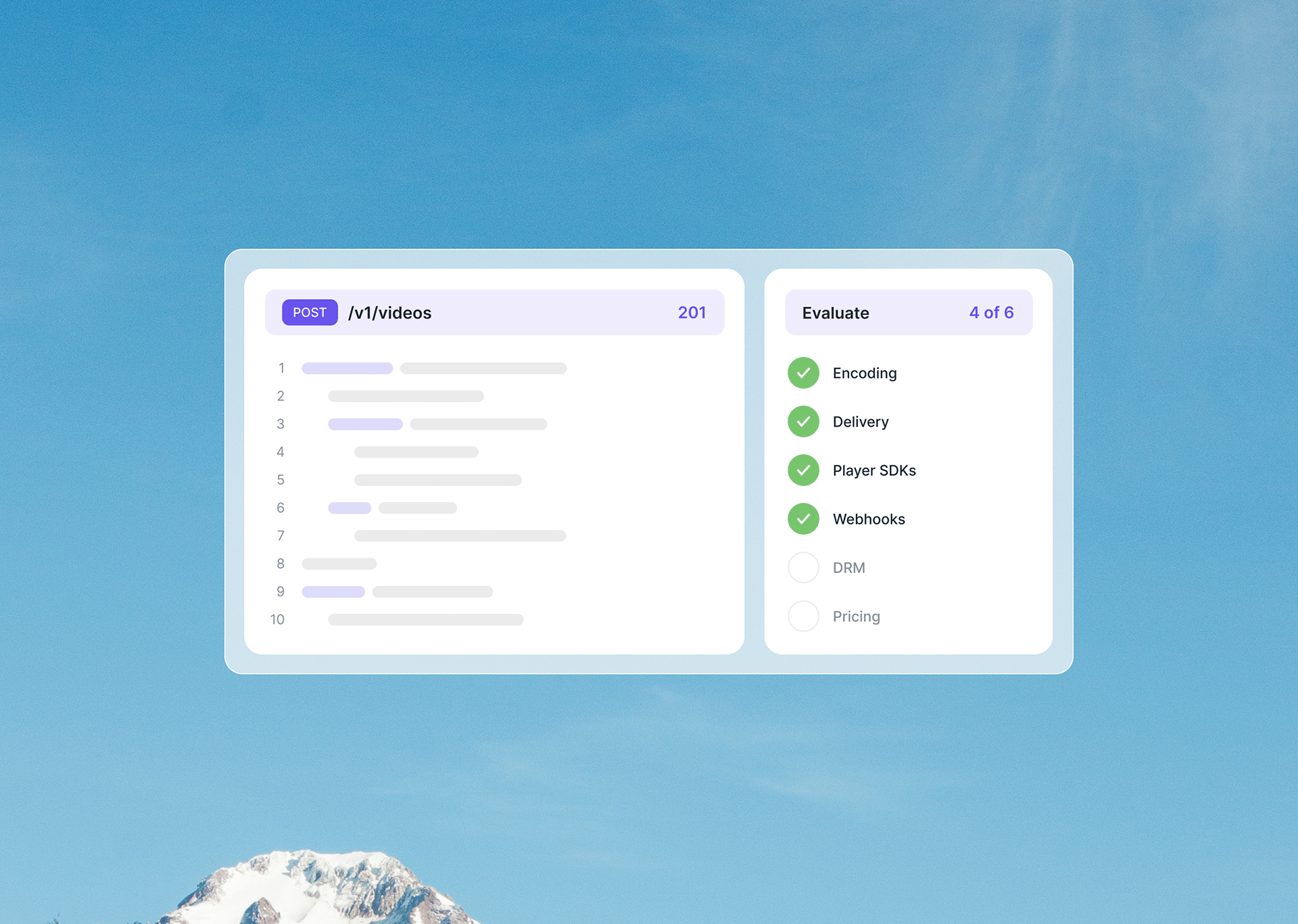
How to Choose an Enterprise Video API: A 10-Criteria Evaluation Framework
16 min read
Learn how to choose an enterprise video API using 10 criteria covering ingest, encoding, delivery, security, compliance, analytics, pricing, scalability, and developer experience.


White Label Video Hosting: Branding the Player, Portal, and Domain
13 min read
Learn how white label video hosting works across the player, portal, and domain and what to check for branding, custom domains, accessibility, and plan limits.